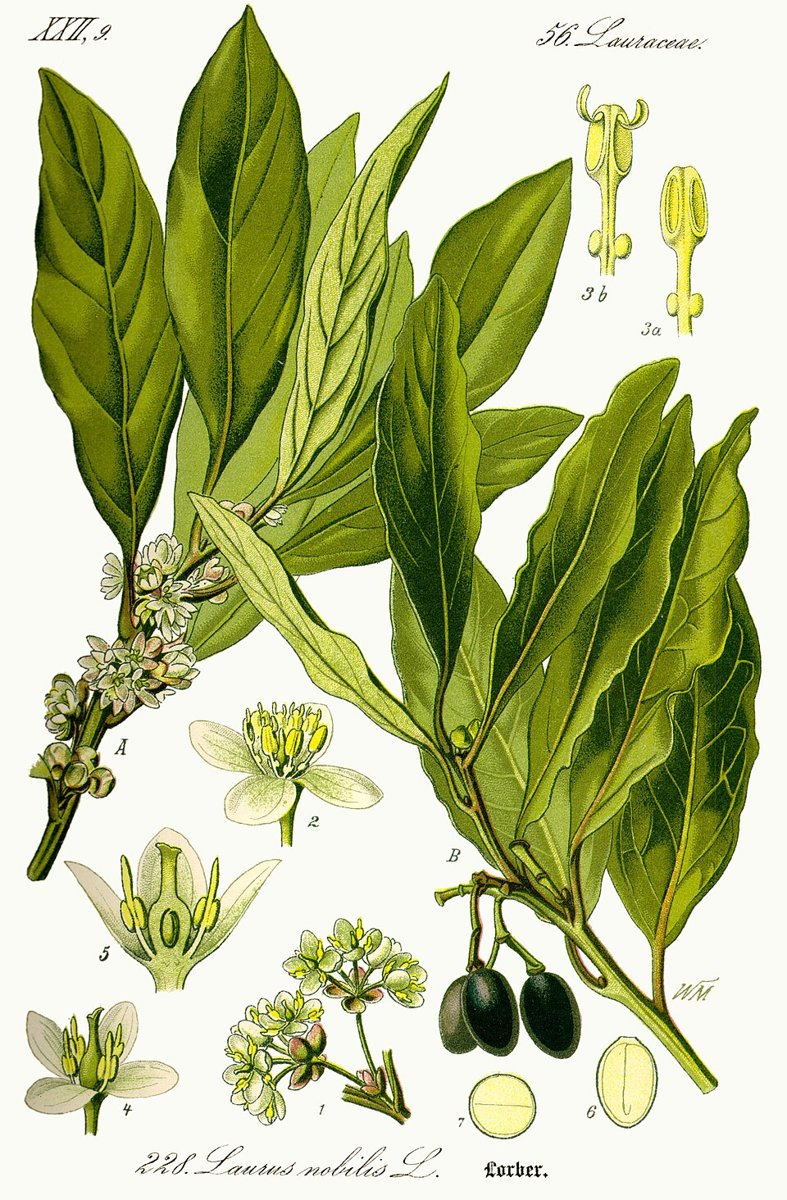
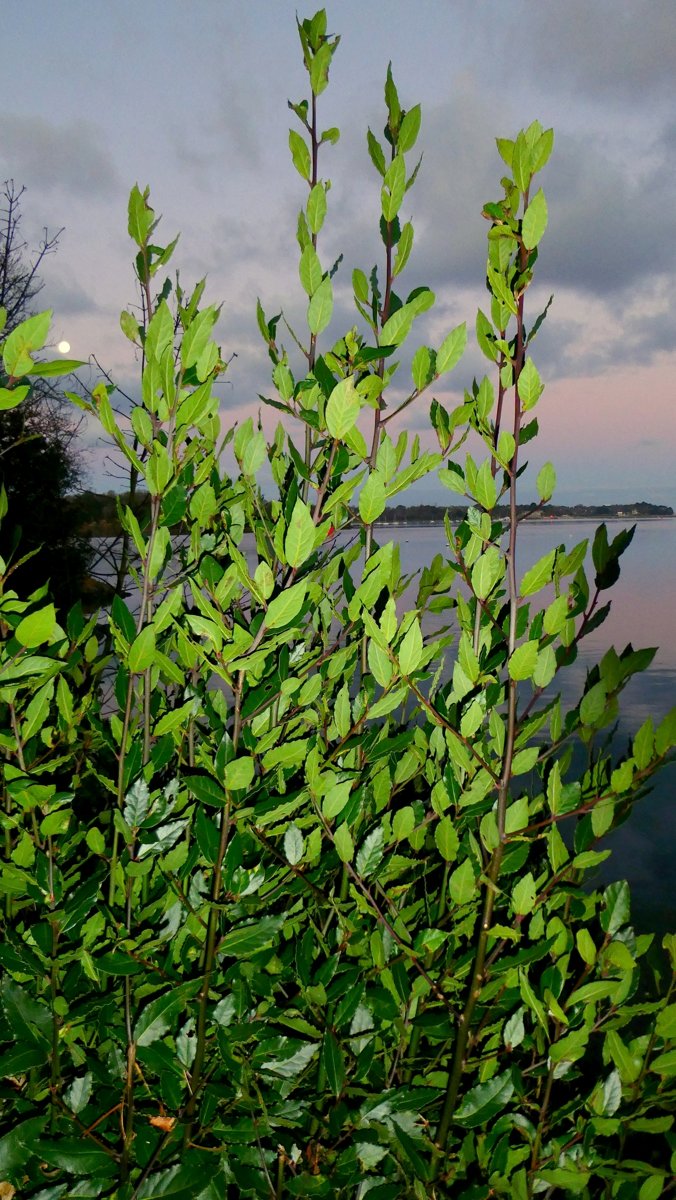
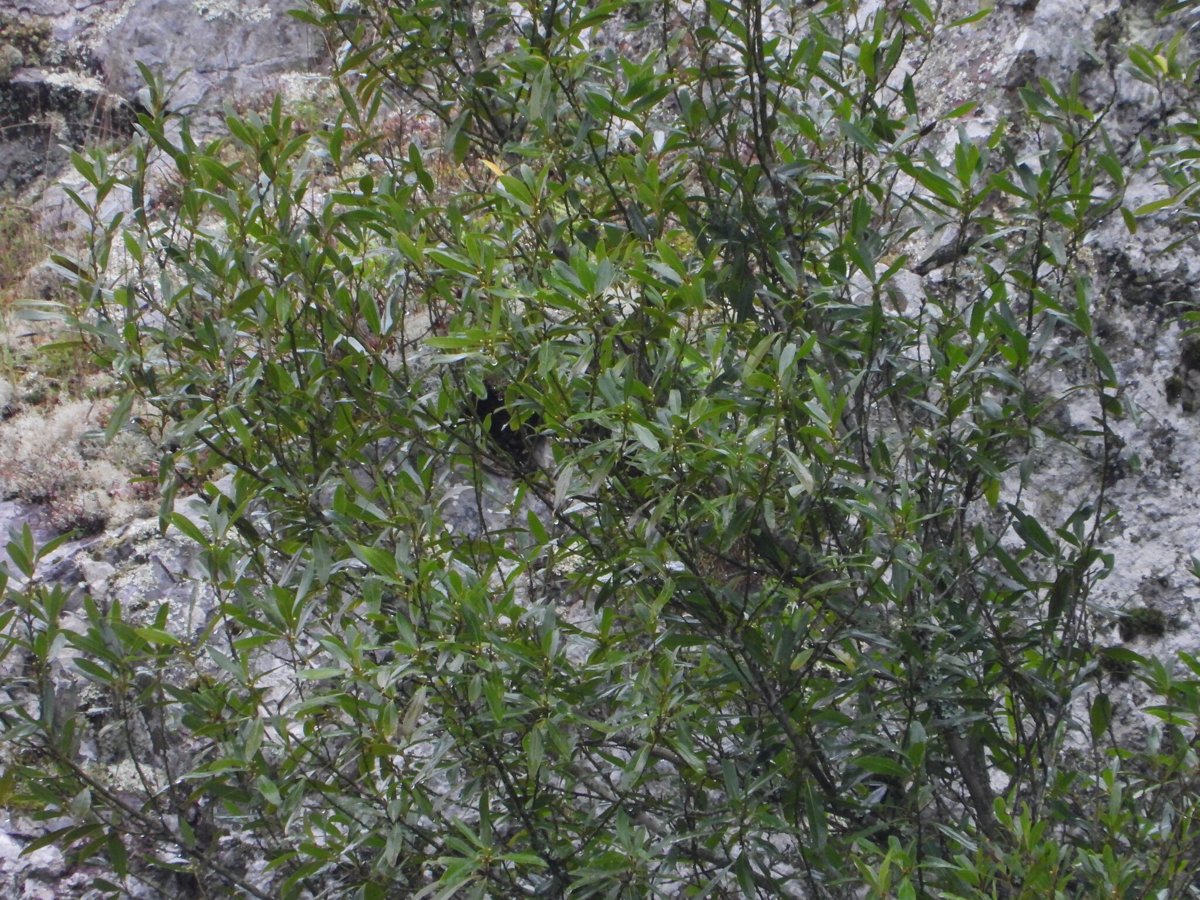
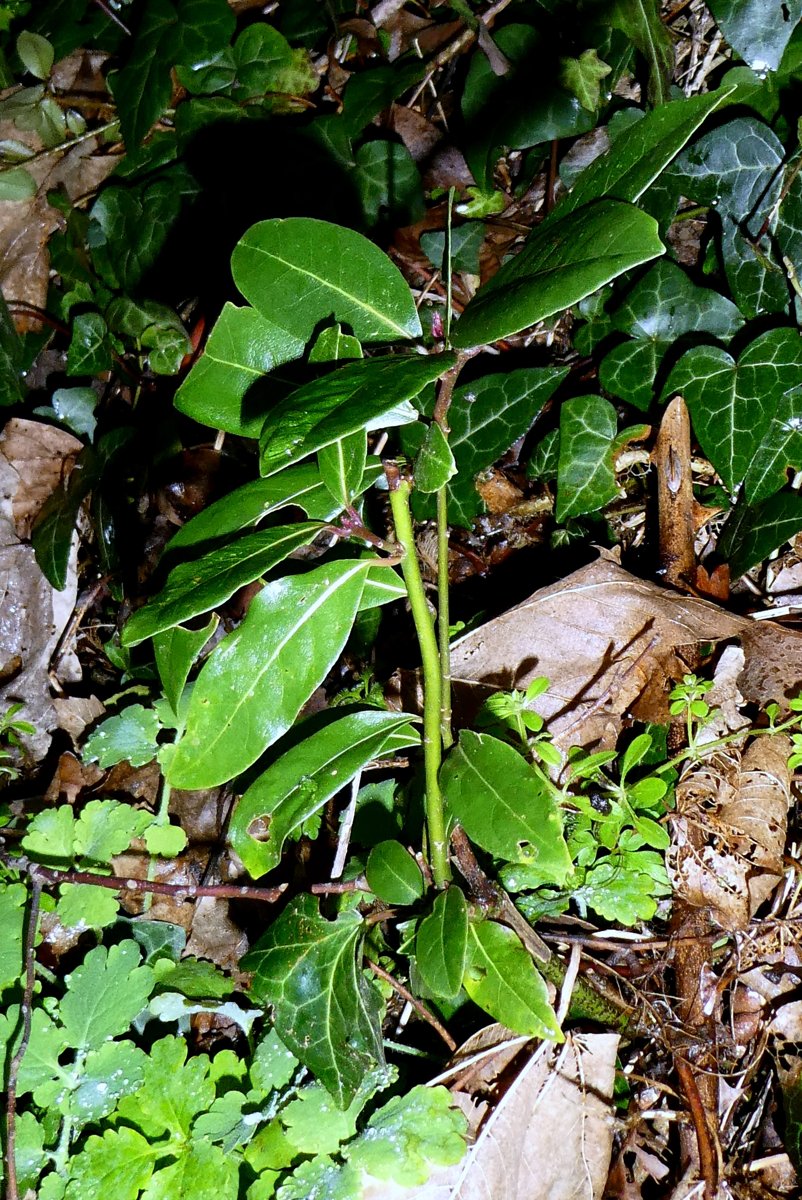
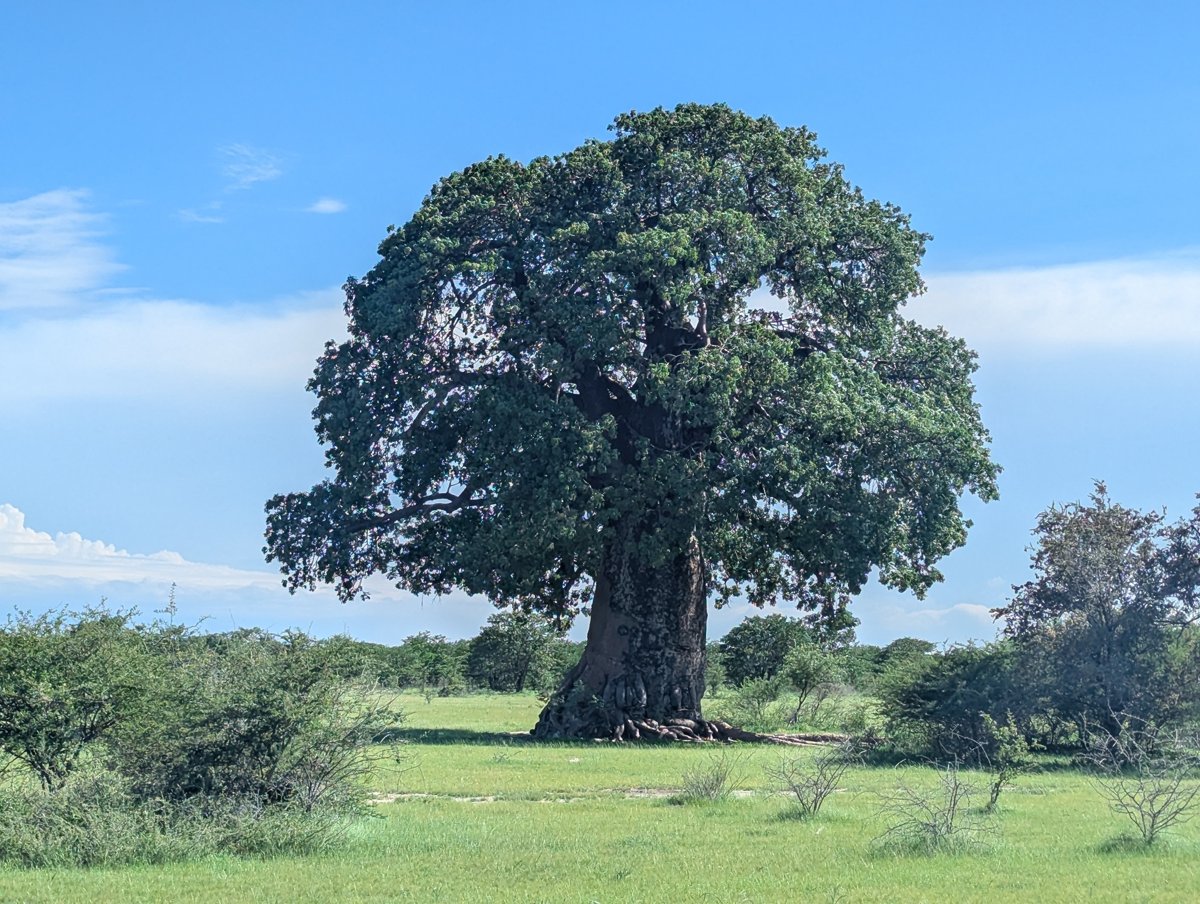
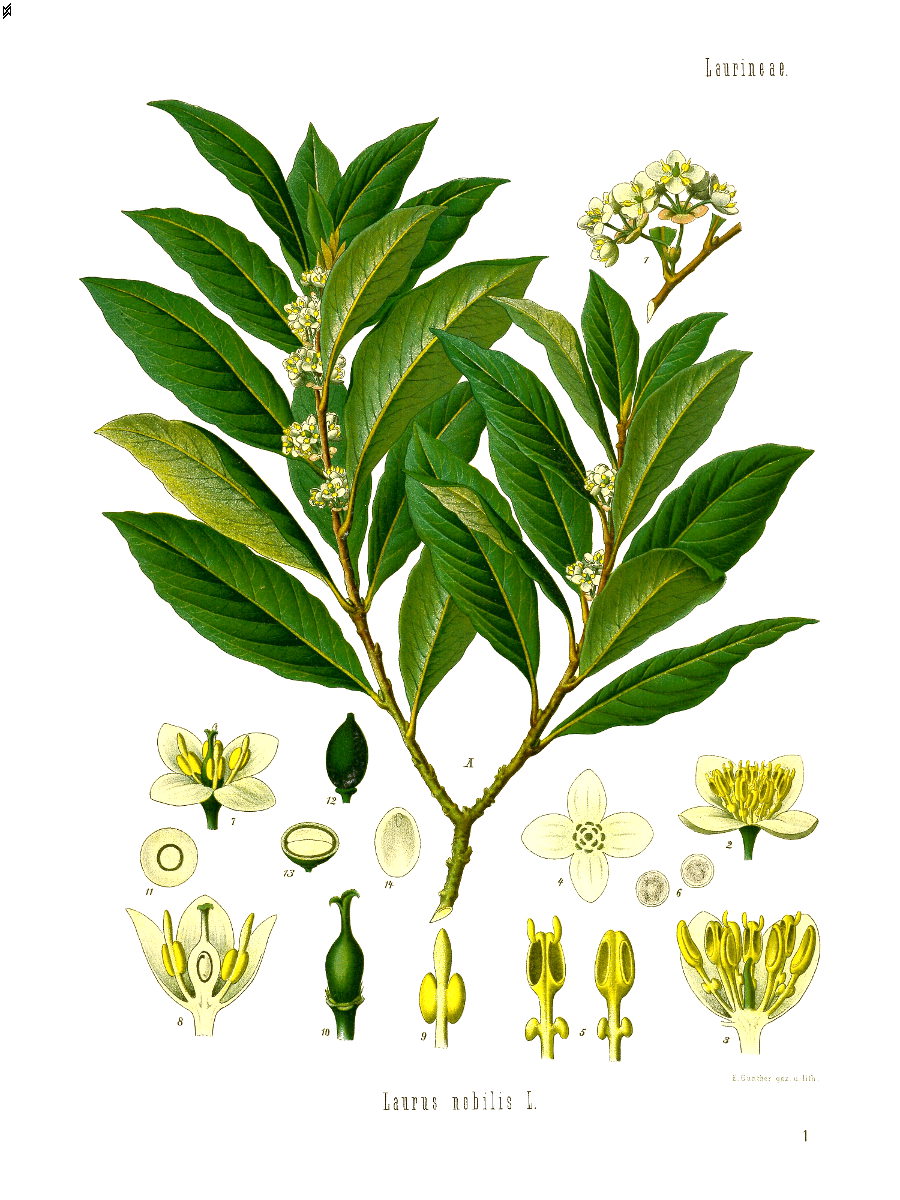
| Scientific Name | Laurus nobilis |
| Safety Rating | N/A |
| Evidence Level | N/A |
Bay Laurel is an evergreen tree whose aromatic leaves are harvested for use as both a culinary seasoning and a medicinal herb. The leaves are traditionally used to soothe digestive discomforts—such as gas, indigestion, and colic—and possess mild anti‑inflammatory and analgesic effects. Because the leaf contains eugenol, large amounts can irritate the stomach, cause nausea, or interact with blood‑thinning medications; pregnant or breastfeeding women should consult a clinician before using it.
Source: Trease & Evans Pharmacognosy 16th ed, PMC: Hawthorn
50 products from NIH DSLD database (verified label data)
3 products (showing max 200)
| Product | Ingredient | Amount | Price |
|---|---|---|---|
| Laurel (Bay) 450 mg | Bay Laurel | 450 mg | - |
| Laurel (Bay) Powder | Bay Laurel, Powder | 1000 mg | - |
| Laurel (Bay) Powder | Bay Laurel, Powder | 1000 mg | - |
| Herb | Scientific Name | Why related |
|---|---|---|
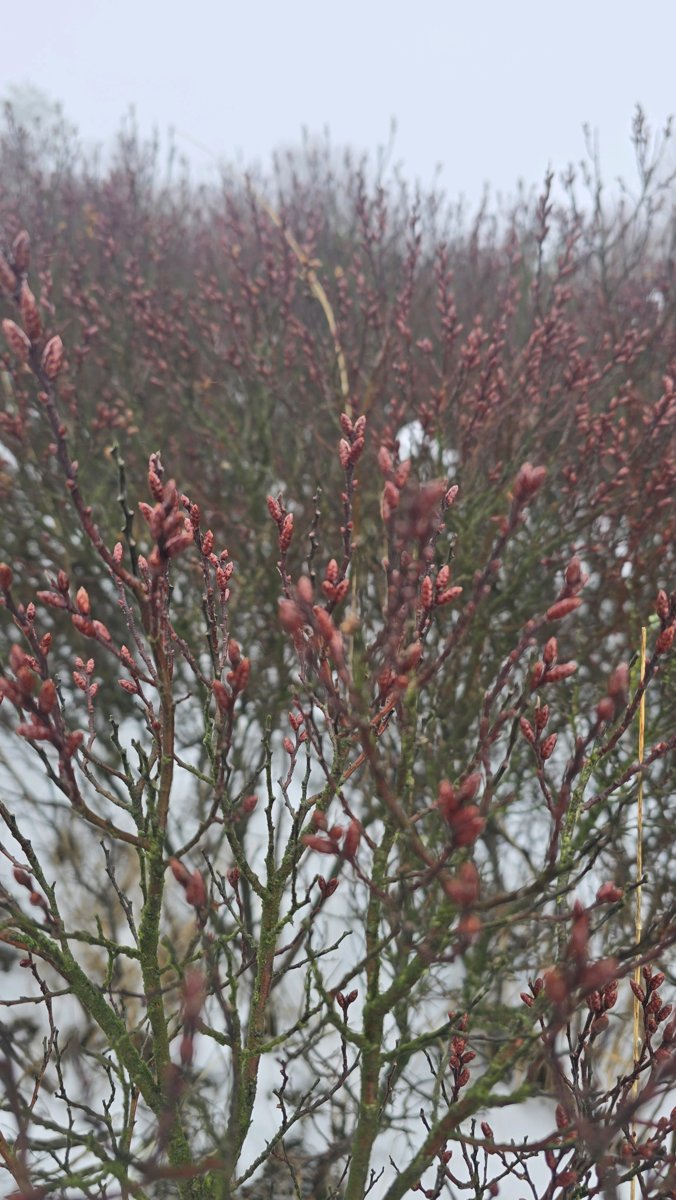
Bayberry |
Myrica gale | shares 65 product(s) |
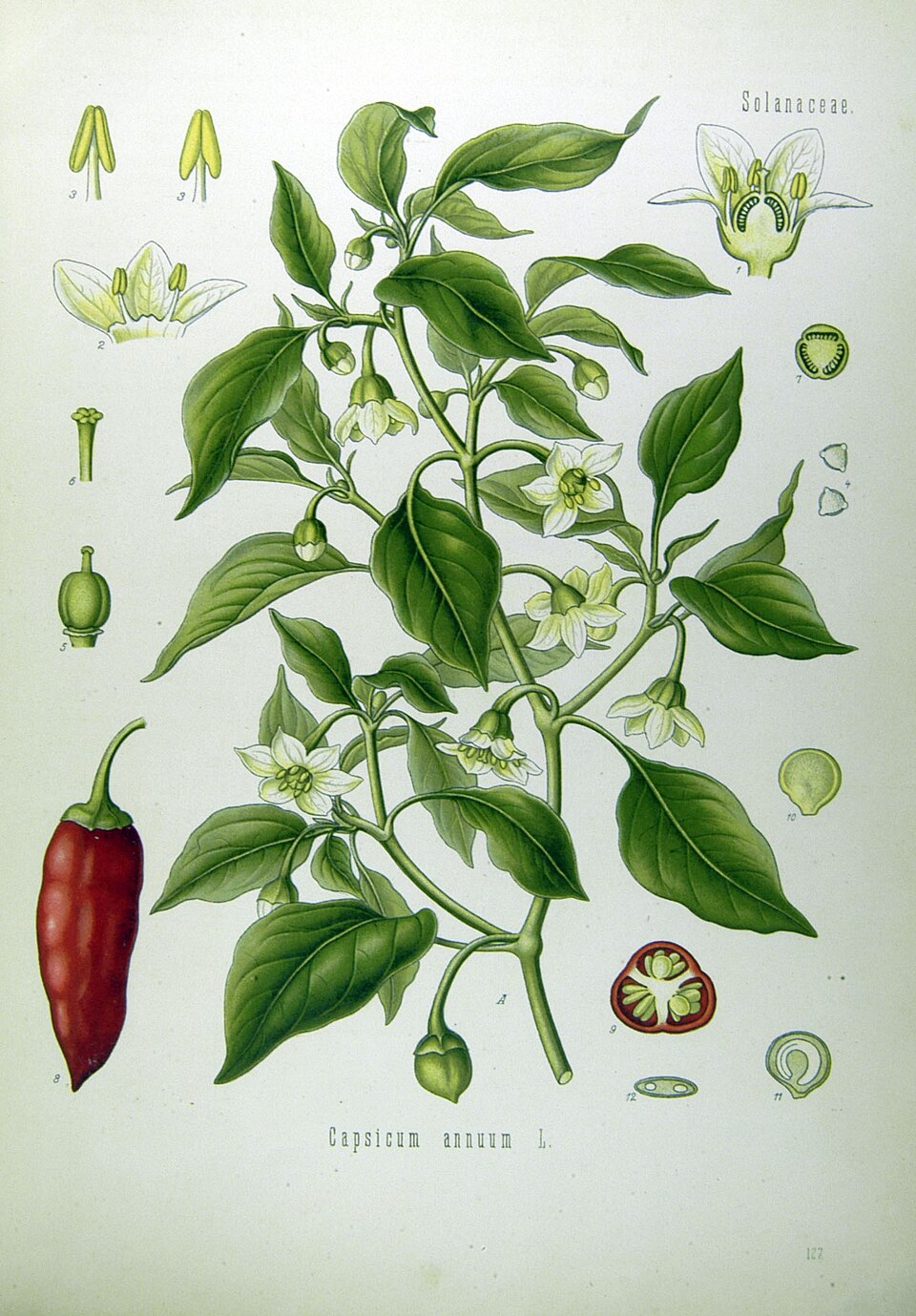
Capsicum |
Capsicum annuum | shares 13 product(s) |
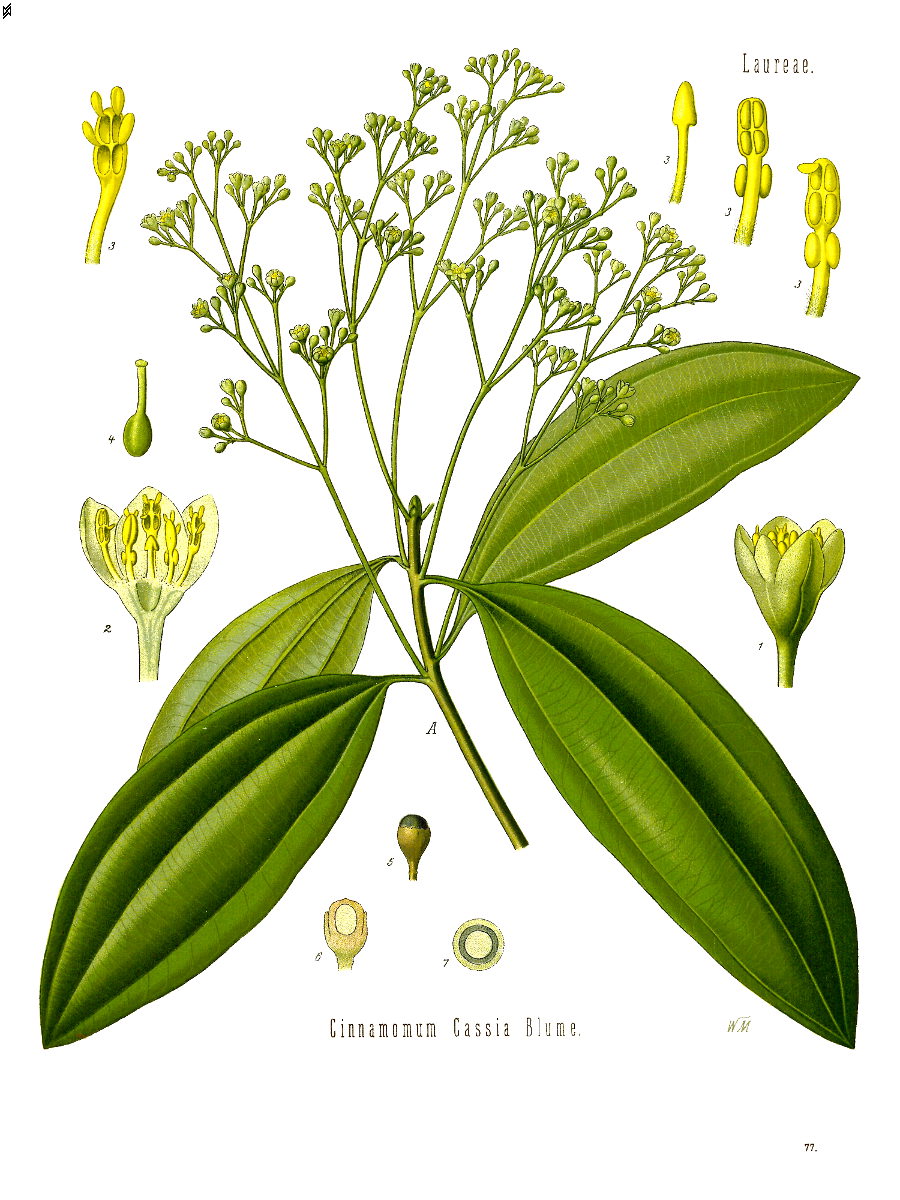
Cinnamon |
Cinnamomum cassia | shares 13 product(s) |
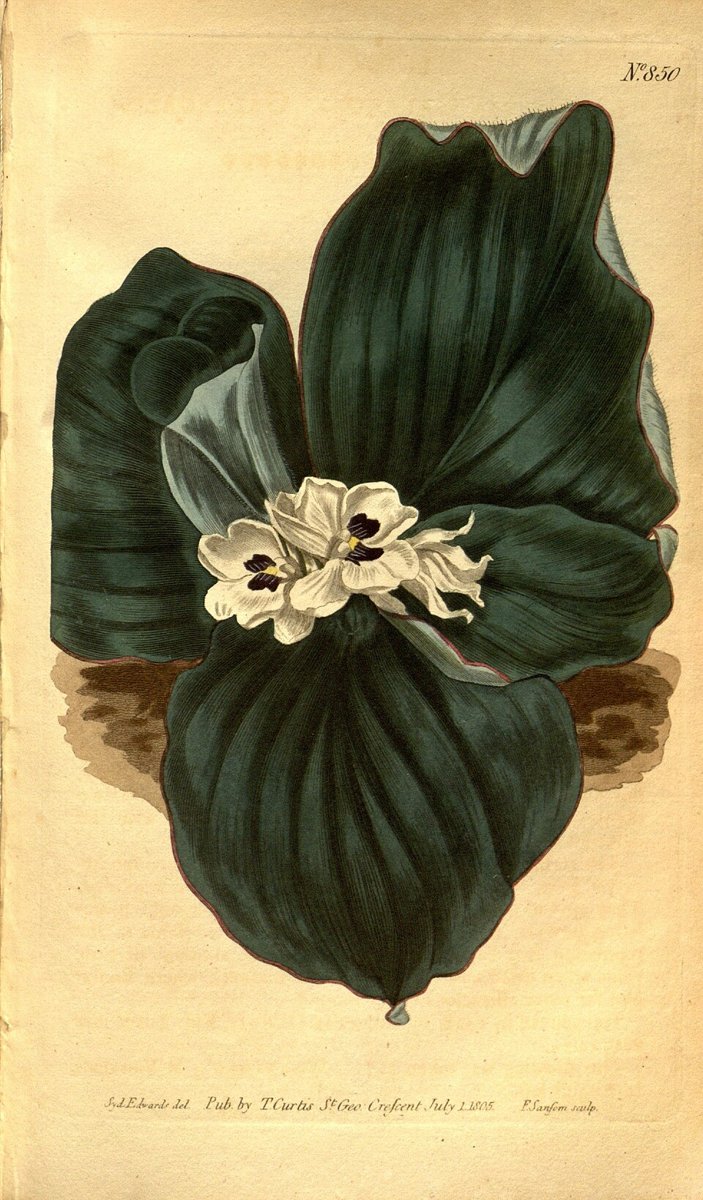
Sand Ginger |
Kaempferia galanga | shares 12 product(s) |
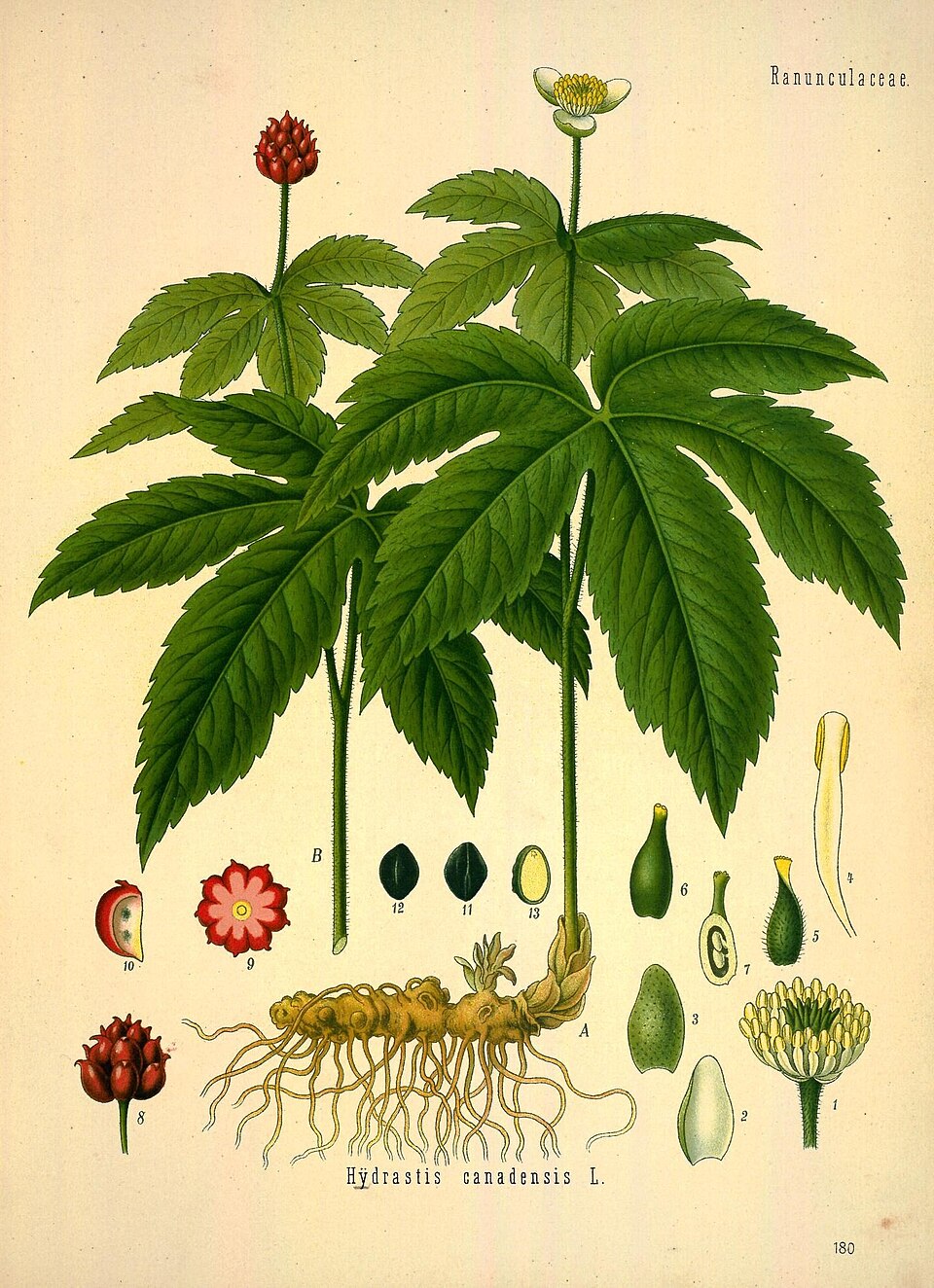
Goldenseal |
Hydrastis canadensis (berberine) | shares 11 product(s) |
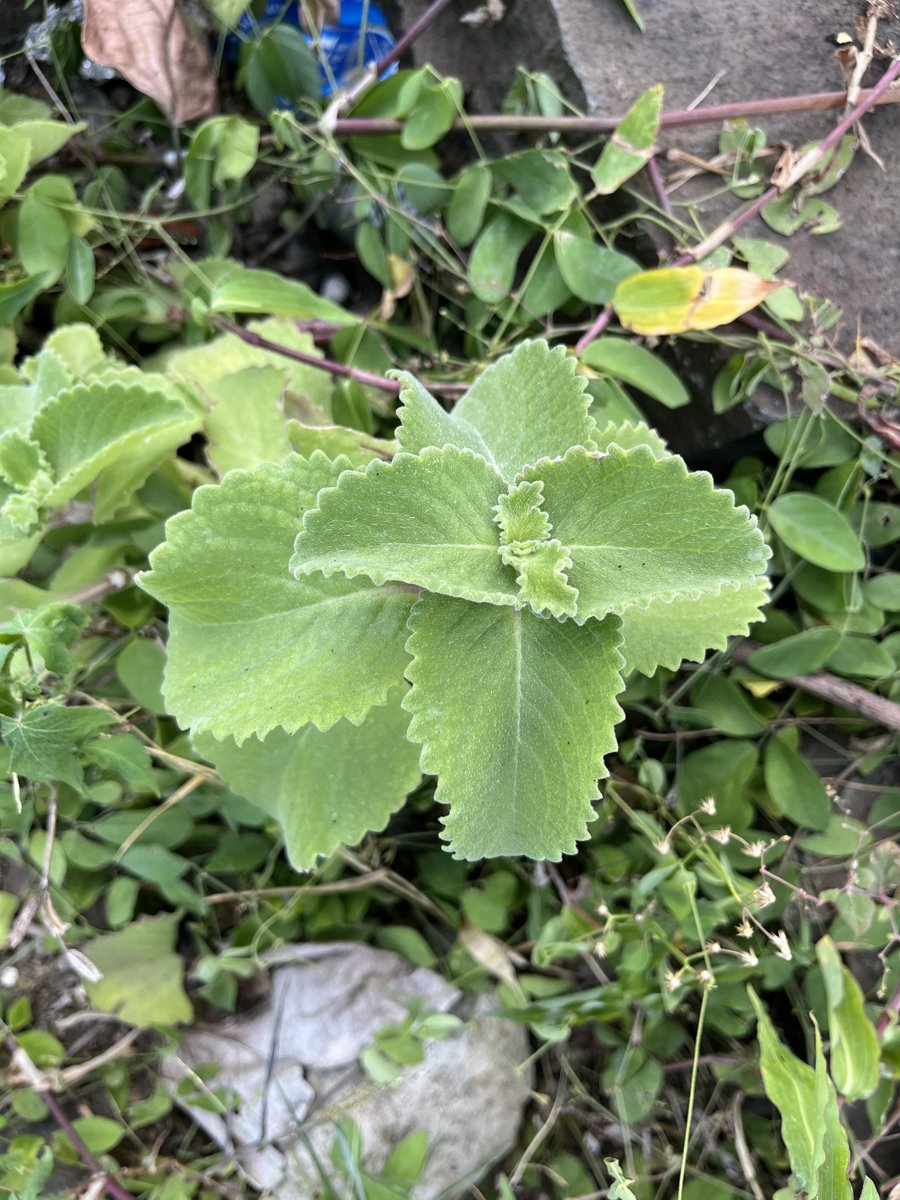
Cuban Oregano |
Coleus amboinicus | similar summary terms |
| Curcuminoids | N/A | similar summary terms |
Red Stoneroot |
Lithospermum erythrorhizon | similar summary terms |
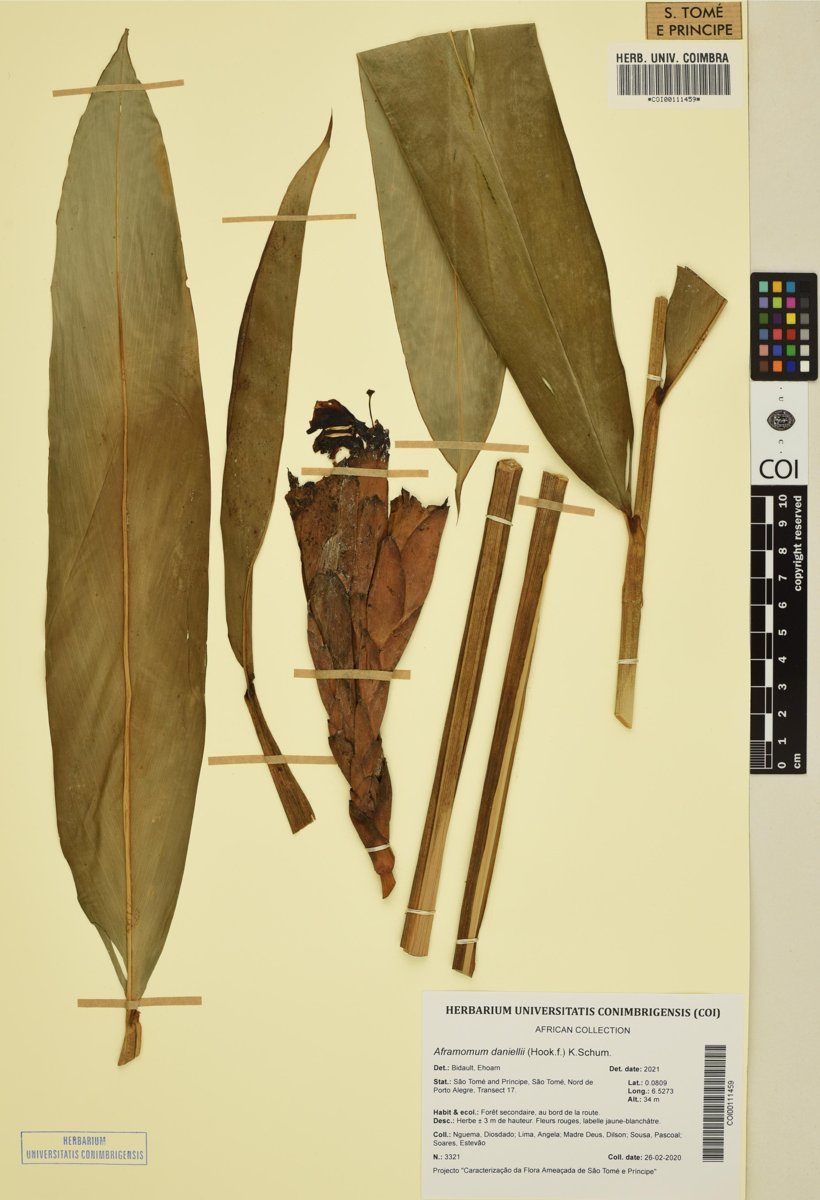
Alligator Pepper |
Aframomum daniellii | similar summary terms |
Baobab |
Adansonia digitata | similar summary terms |
Ask the RAG about Bay Laurel — get evidence-based answers from WHO monographs and pharmacognosy textbooks.
Or browse the product search to find more products.